For a lot of buyers, choosing safety footwear comes down to whether the box has a steel cap and the right AS/NZS 2210 rating on it. Tick, done, sorted for the next few years.
The trouble is, a safety boot doesn’t stay a safety boot forever. The rating describes the boot the day it left the factory — not the one that’s spent the last six months getting hosed down, walked through mud, and left to dry near a heater overnight.
What the rating actually covers
AS/NZS 2210.3 sets out what a safety boot has to survive before it’s allowed to carry that rating — impact and compression resistance at the toe, a slip-resistant outsole, and penetration resistance underfoot, depending on the class. That’s a genuinely useful baseline. It just describes a new boot in a test lab, not the one currently sitting in a locker.
Where footwear actually fails on site
In our experience fitting out crews, safety boots rarely fail because someone bought the wrong class. They fail for much more ordinary reasons.
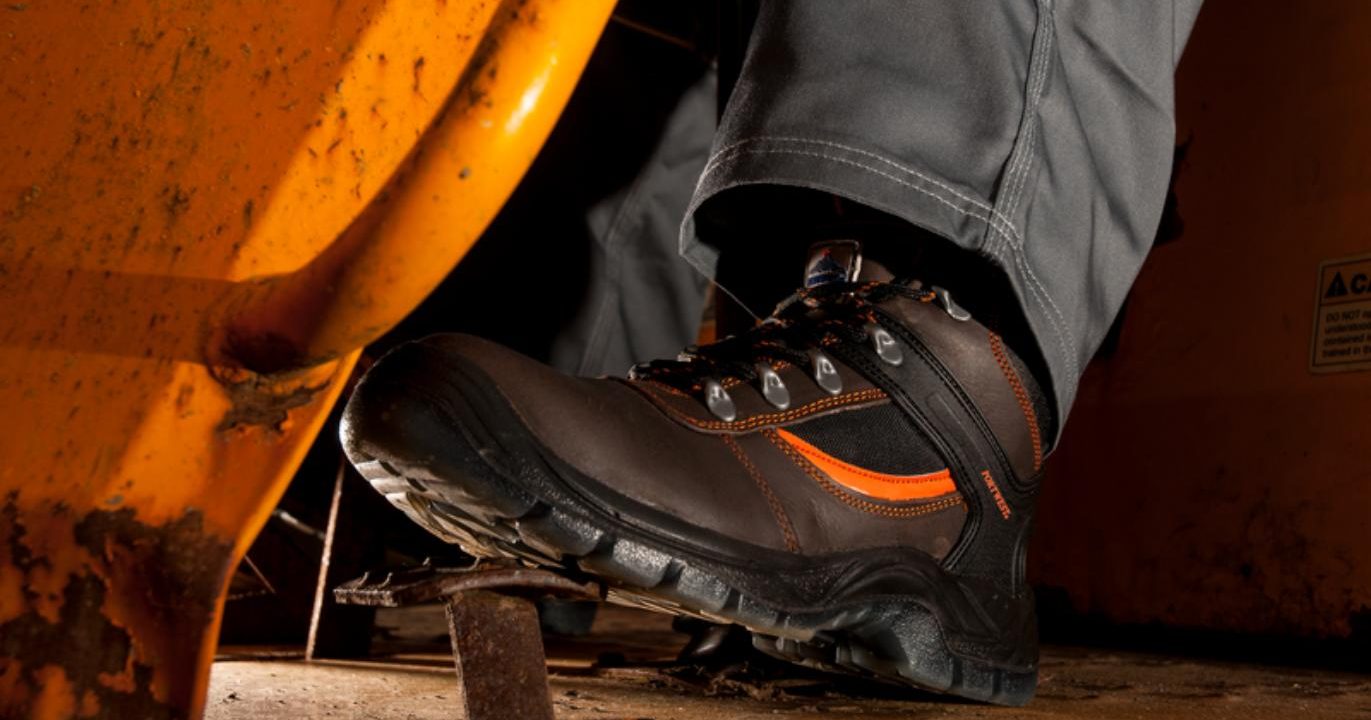
- The sole has worn smooth. Slip resistance is a function of tread depth as much as compound — a boot that’s lost its tread is a lot closer to a dress shoe than a safety boot, rating sticker or not.
- The upper has been compromised. A split seam, a soaked-through panel, or exposed stitching after months of grease and hosing down quietly undoes waterproofing and support, long before the boot looks obviously “worn out.”
- It’s the wrong boot for the actual task. A boot rated for general site use isn’t necessarily rated for the chemical or electrical hazards of a specific job — and moving between tasks without swapping footwear is an easy gap to miss.
- The fit has changed. Feet swell, socks get thicker in winter, insoles compress — a boot that fit perfectly on day one can be loose or tight enough months later to change how someone actually walks in it.
What to actually check
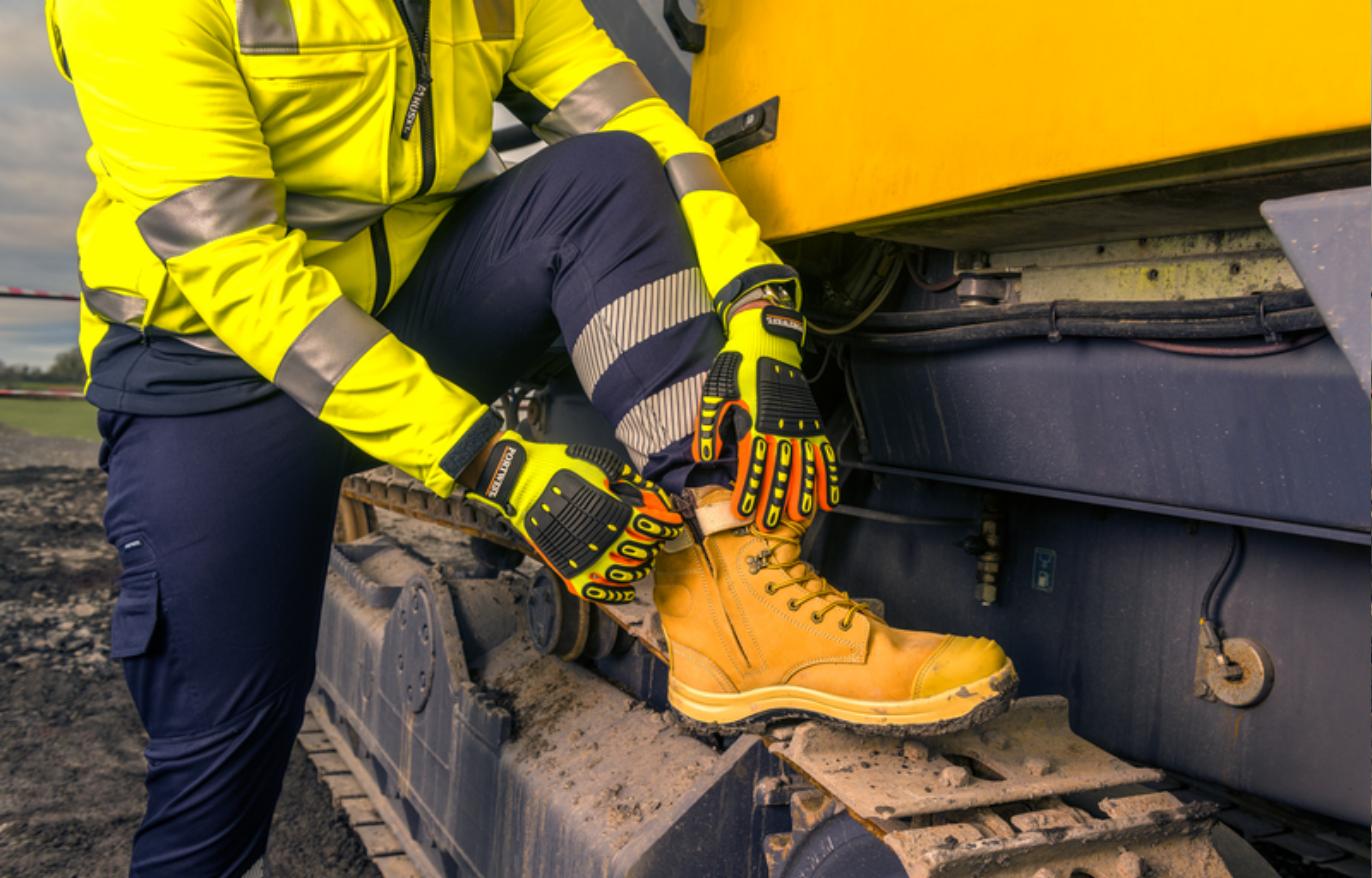
A few things worth more attention than the rating sticker: tread depth, not just tread presence — run a thumbnail across it, and if it doesn’t bite, it isn’t gripping either. The upper and stitching, for any point where water, oil or grit is getting in that shouldn’t be. Whether the boot still matches the actual task, not just the industry it was originally bought for. And how the boot is fitting right now, not how it fit when it was issued — it’s why we stock Portwest’s Foot Protection range across a genuine spread of fits and widths, not one shape stretched across every foot.
None of this shows up by glancing at the rating tag. It shows up on the factory floor, on the fourth wet Tuesday in a row, in the half-second it takes to find out whether a boot actually grips.
If it’s been a while since anyone in your crew has had their footwear actually checked — not just replaced on a schedule — it’s worth a look. Get in touch with the TIKIMAN Workwear team and we’ll run through what’s actually protecting feet versus what’s just ticking a box.