For a lot of buyers, choosing hi-vis workwear comes down to one question: does it have the right sticker on it? Grab something fluoro, check it’s rated to AS/NZS 4602, tick the compliance box, done.
The trouble is, that box-ticking mindset misses the entire point of the garment. Hi-vis doesn’t exist to satisfy an audit. It exists so that a person doing a genuinely dangerous job — working near moving vehicles, plant, or traffic — gets noticed in time for someone to react. Compliance is the minimum. Actually being seen is the job.
What the classes are really telling you
AS/NZS 4602 splits hi-vis gear into three classes: Class D (day use), Class N (night use), and Class D/N (both). Each class sets out how much fluorescent and reflective material the garment needs, and where it has to sit. That’s useful information — but it describes the garment on the day it was made, not the one your crew is wearing six months later.
Where visibility actually breaks down
In our experience fitting out crews across a range of industries, hi-vis rarely fails because someone bought the wrong class. It fails for much more ordinary reasons:
- The garment has faded. UV, washing, and general wear dull fluorescent fabric and degrade reflective tape faster than most people expect. A hi-vis vest that’s done two summers on site can look compliant and perform nowhere near it.
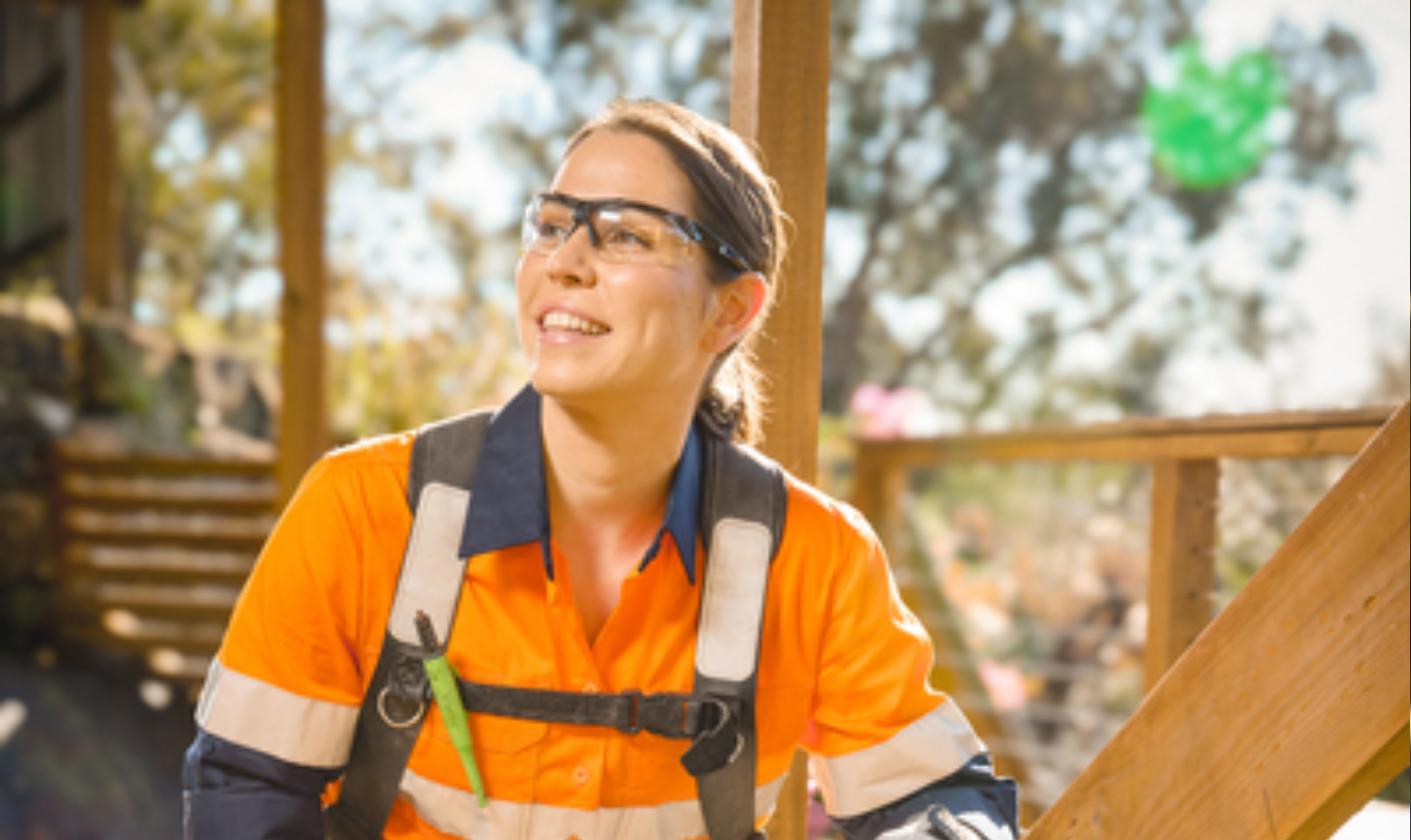
- It’s been layered over. A hi-vis base layer hidden under a plain jacket on a cold or wet morning isn’t doing anything for anyone — and cold, wet, low-light mornings are exactly when visibility matters most.
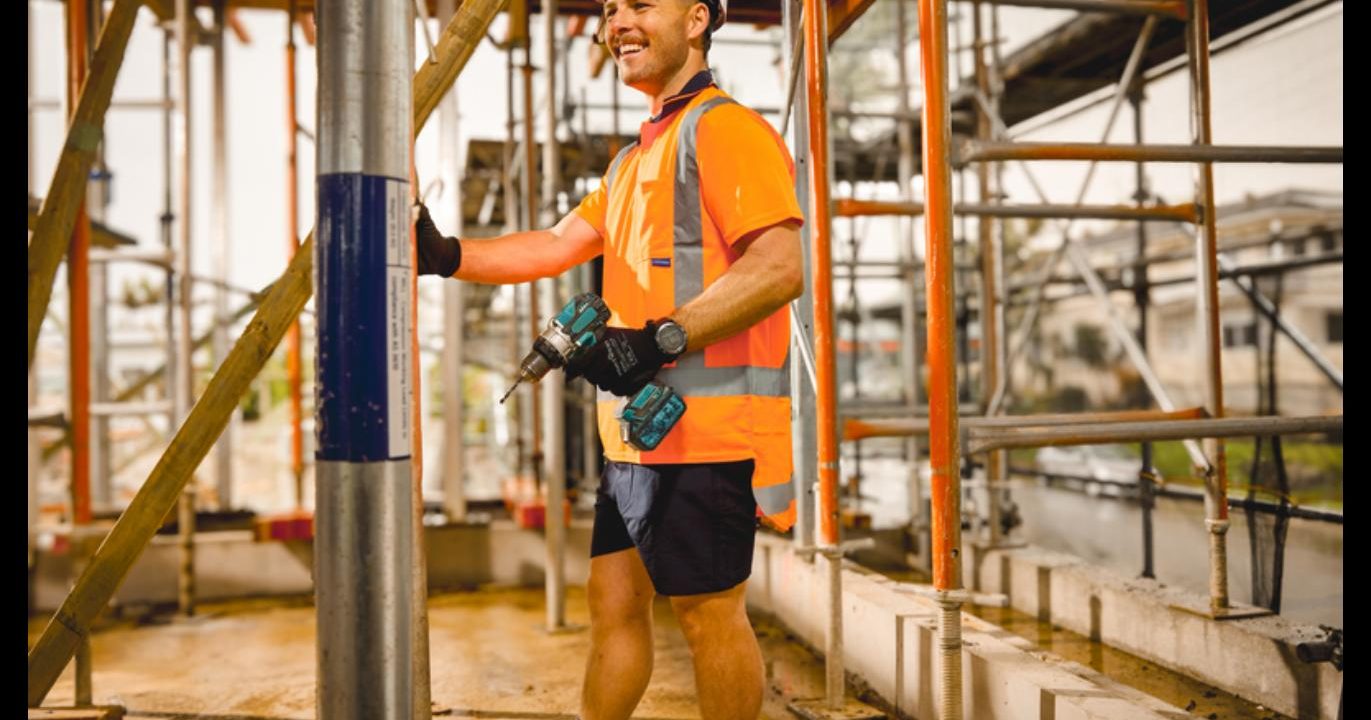
- The tape isn’t where it needs to be. Reflective tape works by catching light and throwing it back at its source — typically a driver’s headlights. Tape that only wraps the torso does very little for someone whose arms and legs are what’s actually moving in a driver’s peripheral vision.
- The fit is wrong. Oversized hi-vis bunches, twists, and rides up, which means the reflective bands don’t sit where they’re designed to. A too-big vest isn’t a safer vest.
What to actually look for
A few things matter more than the class rating on the label:
- Genuine certified fabric and tape, from a manufacturer that tests to hold its class over the life of the garment, not just on day one. It’s why we stock Portwest’s High Visibility range — their fabric and tape are built to keep performing after repeated washing and real site wear, not just pass inspection once.
- Tape placement that wraps the body, not just the front — shoulders, arms, and legs included, so the garment reads as a human shape from any angle.
- A layering plan, not a single garment. If your crew works dawn starts or wet weather, they need hi-vis that stays visible under or over other layers, not one vest that only works in ideal conditions.
- The right fit for the person wearing it, not just the size that was left in the store.
None of this shows up on a compliance certificate. It shows up on-site, in the two seconds someone has to be noticed.
If it’s been a while since anyone actually checked what your crew is wearing — as opposed to what was ordered — it’s worth a look. Get in touch with the TIKIMAN Workwear team and we’ll run through what’s actually protecting your people versus what’s just ticking a box.